Skip to content
The Ultimate Home Lighting Style Guide: How to Layer Light Like a Designer
- by COZYEAZY

Great lighting is not just about visibility — it is about creating atmosphere, defining spaces, and elevating your interior design. Professional designers use a technique called "layered lighting" to achieve spaces that feel warm, functional, and visually stunning. In this comprehensive style guide, we will walk you through how to layer ambient, task, and accent lighting in every room of your home.
The Three Layers of Lighting
Every well-lit room combines three distinct layers:
- Ambient lighting: The base layer that provides overall illumination — typically ceiling fixtures, chandeliers, or recessed lights.
- Task lighting: Focused light for specific activities like reading, cooking, or working — table lamps, under-cabinet lights, and adjustable sconces.
- Accent lighting: Decorative light that highlights artwork, architectural features, or plants — directional spotlights, picture lights, and LED strips.
Living Room Lighting
The living room benefits from all three layers. Start with a statement chandelier or pendant as ambient light, add floor lamps for reading nooks, and use wall sconces to highlight art or create a cozy glow.
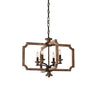
For a stunning centerpiece, consider the
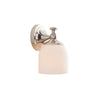
Add adjustable wall lighting like the 
Kitchen Lighting
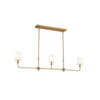
Kitchens need the most careful lighting design because you need bright task lighting for food prep plus warm ambient light for dining. Start with pendant lights or a linear suspension over the island for both style and function.
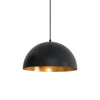
Hang pendants 30-36 inches above the counter. The  is perfect for a rustic or industrial kitchen design.
For a softer look, try the 
Bedroom Lighting
Bedrooms should feel calm and restful. Avoid harsh overhead lights — use dimmable ambient fixtures, bedside table lamps, and soft accent lighting. Warm color temperatures (2700K-3000K) promote relaxation and better sleep.
The  provides a soft, elegant glow perfect for nightstands.
For wall-mounted reading lights, the  offers adjustable positioning.
Dining Room Lighting
The dining table is a natural focal point. Hang a chandelier or cluster of pendants 30-36 inches above the table surface. Choose fixtures that are about half to two-thirds the width of your table.
A bold choice is the 
For a more modern look, the  adds sophistication.
Entryway & Hallway Lighting
First impressions matter. Use a dramatic chandelier or pendant in the entryway and linear fixtures or wall sconces along hallways to create a welcoming flow.
Long hallways benefit from the 
Outdoor & Landscape Lighting
Extend your design outdoors with pathway lights, wall sconces, and solar lamps. Layer ambient light from post lamps, task light at entrances, and accent light on trees or garden features.
The  adds eco-friendly charm to any garden.
Color Temperature Guide
- 2700K-3000K (Warm white): Bedrooms, living rooms, dining — creates a cozy, relaxing atmosphere
- 3500K-4100K (Neutral white): Kitchens, bathrooms, home offices — balanced and clean
- 5000K-6500K (Daylight): Garages, workshops, task areas — brightest, most alerting
Lighting Design Mistakes to Avoid
- Relying on a single overhead light — always layer
- Using cool white in bedrooms — disrupts sleep
- Pendants hung too high — lowers visual impact
- Ignoring dimmers — they are the cheapest way to improve any room
- Skipping under-cabinet lighting in kitchens — essential for food prep
Frequently Asked Questions
What is the best color temperature for a living room?
How high should I hang pendant lights over a kitchen island?
Can I mix different lighting styles in one room?
Do I need an electrician to install a chandelier?
What is the rule of thumb for dining table chandelier size?
How can I make a small room look bigger with lighting?
Explore the full lighting collection at COZYEAZY.
- Posted in:
- home decor
- home improvement
- lighting